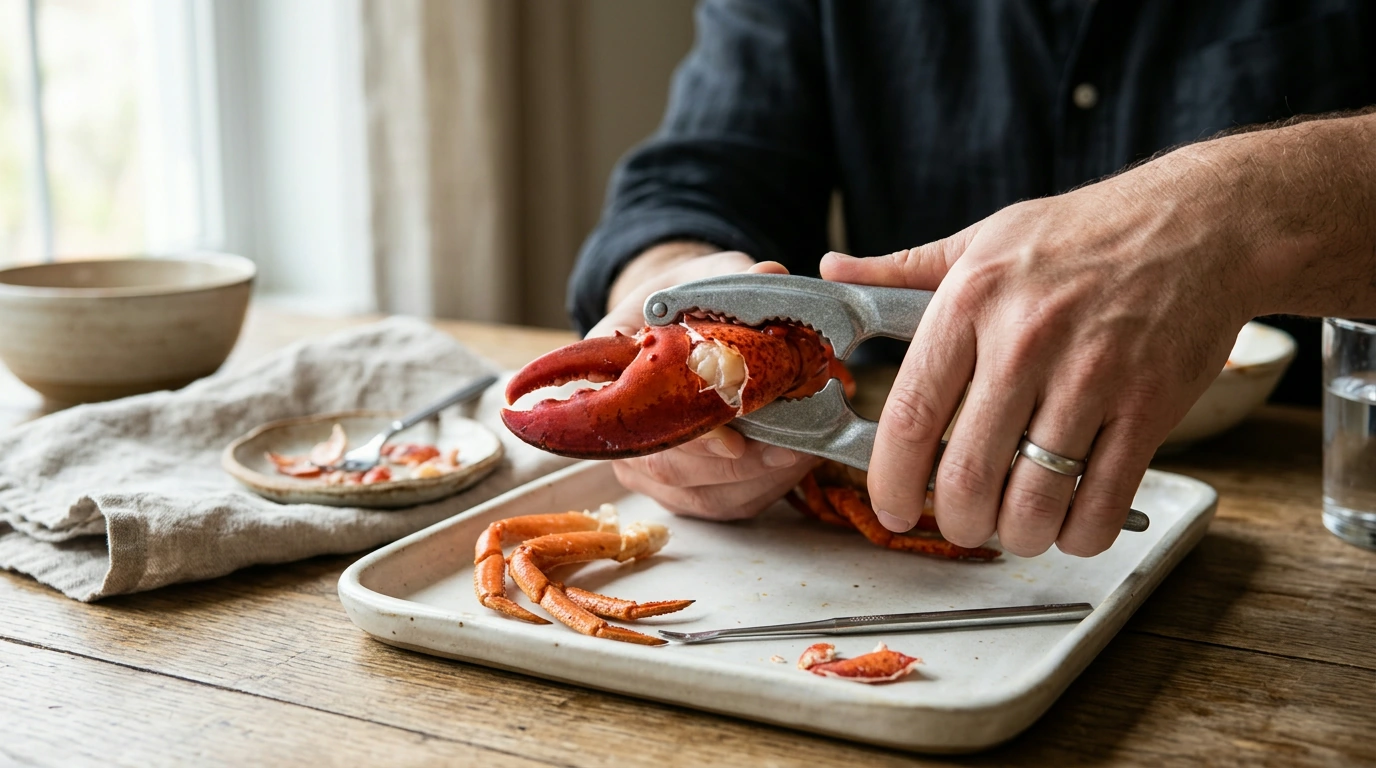
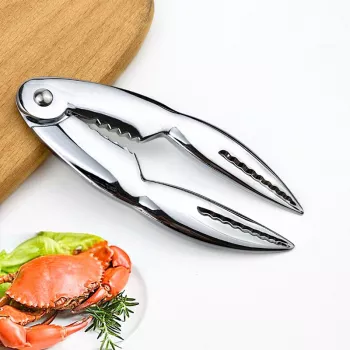
Shellfish dinners are at their best when the cracking is clean, controlled, and quick. Our zinc alloy nutcracker is a simple, sturdy tool made for getting through lobster and crab shells without turning the table into a wrestling match—so more of the good meat ends up on the plate.
When you’re working through crab legs or a lobster claw, the goal is simple: open the shell without shredding the meat or sending shards across the table. A dedicated cracker helps you keep the meal moving and keeps the mess contained.
Seafood tools live in a world of pressure, salt, and repeat use. Our team likes zinc alloy here because it’s built to take force, feels solid in the hand, and stays practical for everyday meals—from a quick weeknight crab dinner to a backyard boil.
For safe handling basics when you’re serving shellfish, we also recommend reviewing guidance from the U.S. FDA and the USDA FSIS, especially for keeping cooked seafood at safe temperatures and preventing cross-contamination.
A clean crack is usually a series of small, controlled moves—not one dramatic squeeze. If you treat cracking like “score and open” rather than “crush,” you’ll pull out bigger pieces and spend less time picking shell grit out of the meat.
If you’re new to shell-on seafood, a helpful rule is to “crack along structure.” Joints, seams, and thinner areas are natural break points and usually open with less force and less splintering.
| Shell type | Best place to crack | Pressure approach | Result to look for |
|---|---|---|---|
| Crab legs | Along the length, then at a joint | Light-to-medium, reposition as needed | Long split for easy meat removal |
| Crab claw | At the pincer base and thicker ridge | Medium-to-firm, two-step cracking | Clean break without crushing |
| Lobster knuckle | Joint areas and thinner side | Medium, short squeezes | Hinged opening for intact meat |
| Lobster claw | First at the knuckle, then the thickest section | Firm, steady squeeze; stop once it gives | Fracture line that opens with minimal shards |
| Hard-shelled nuts | Midline seam when visible | Light-to-medium to avoid pulverizing | Shell splits, kernel stays whole |
Seafood is flavorful, but it’s also sticky and salty. A quick cleanup routine keeps your cracker pleasant to use and ready for the next boil.
Yes—use a two-step approach: crack at a joint or thinner area first, then apply firm, steady pressure to the thicker section. Stop as soon as the shell gives to help keep the meat intact.
Apply gradual pressure and aim for a controlled fracture line rather than a crush. Reposition for multiple lighter cracks, then pull the meat out with a pick or fork once the shell opens.
Rinse promptly, wash with mild soap, brush out any crevices, and dry thoroughly before storing. This keeps it fresh, clean, and ready for your next shell-on meal.








Leave a comment