Retro Chinese Ceramic Vase Decor: A Classic Accent That Feels Collected
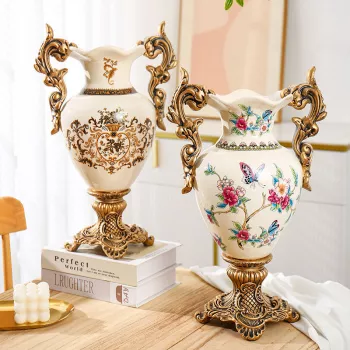
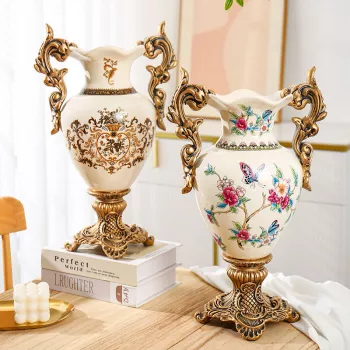
A retro Chinese ceramic vase brings a sense of heritage to a space without making it feel formal or staged. The silhouette reads as classic, while the glaze adds depth that shifts under daylight and warm evening lamps. Whether it’s styled with a few sculptural branches or left empty as an object on its own, this kind of ceramic decor creates a calm focal point on consoles, mantels, shelves, or dining tables. For more guidance, see My Bud Vase.
Why this style works in everyday spaces
- Adds visual weight and history to minimal, modern, or eclectic rooms without needing many accessories.
- Pairs naturally with wood, stone, brass, linen, and paper textures for a layered, lived-in look.
- Works as a standalone sculptural object even when not holding flowers—especially on open shelving.
- Creates a focal point that helps organize surrounding decor (books, trays, candlesticks) so a surface looks intentional rather than crowded.
For anyone trying to make a room feel “finished” without filling it with small decor, a single, well-chosen vase can do a surprising amount of work. For further reading, see Retro houseplants as a gift: golden oldies for ….
Design details to notice
- Classic silhouette: A strong outline reads well from a distance and holds its shape among other objects.
- Ceramic finish and glazing: Glaze depth adds dimension; even a simple arrangement looks more elevated against a nuanced surface.
- Retro-inspired Chinese aesthetic: A heritage-forward look that complements traditional interiors and also modern rooms that need one strong accent.
- Easy placement: Looks refined on open shelving, sideboards, and entryway consoles where shape matters as much as color.
If you enjoy learning the broader history behind ceramic traditions, museum collections are a great reference point—see The Metropolitan Museum of Art’s overview of Chinese ceramics and the Victoria and Albert Museum’s ceramics collection for visual inspiration.
Room-by-room placement ideas
- Entryway: Place the vase on a console with a small catchall tray and a framed print for a welcoming moment right at the door.
- Living room: Style it on a coffee table or side table with stacked books and one contrasting object (a stone bowl or brass candle) to keep the look edited.
- Dining room: Use as a centerpiece with a low, wide arrangement to keep sightlines open across the table.
- Bedroom: Set it on a dresser with a small arrangement or airy branches for a calm, spa-like feeling.
- Home office: A simple stem arrangement softens screens and sharp angles, making the workspace feel less sterile.
Classic flower arrangements that suit a retro ceramic vase
- Single-branch styling: A plum blossom look using cherry, quince, or magnolia branches creates a gallery-style statement with minimal effort.
- Monochrome bouquet: Stick to one color family (white/cream or deep reds) for a composed, traditional feel.
- Textural mix: Combine 2–3 flower types plus greens; keep stems longer and less “puffed” for an elegant silhouette.
- Dried botanicals: Pampas, wheat, bunny tails, or dried lotus pods offer long-lasting styling without weekly refreshes.
- Seasonal rotation: Spring branches, summer peonies, autumn foliage, winter evergreens—same vase, new mood.
Arrangement recipes by mood
| Mood |
Best stems |
Quick tip |
| Minimal and calm |
1–3 branches (cherry/quince), eucalyptus |
Keep negative space; let the vase be the hero. |
| Traditional elegance |
Roses, peonies, lilies |
Limit to 2 main flower types for a composed look. |
| Rustic texture |
Dried grasses, seed pods, reeds |
Vary heights; keep palette warm and natural. |
| Modern contrast |
Calla lilies, anthurium, tulips |
Use fewer stems; aim for strong lines. |
How to style it on shelves and consoles
- Use the “triangle” approach: Make the vase the tallest point, add a medium object (frame or lamp), and finish with a small object (bowl or candle).
- Balance with contrast: Place a woven basket, marble tray, or brass accent nearby to highlight the ceramic glaze.
- Leave breathing room: Give the vase space so the silhouette reads clearly—crowding can make even beautiful pieces feel busy.
- If using multiple vases: Vary heights and keep one dominant piece to avoid a “matching set” look.
Care and handling for ceramic decor
- Dust regularly with a soft, dry cloth; for smudges, use a lightly damp cloth and dry immediately.
- Avoid abrasive scrubbers and harsh cleaners that can dull glaze or scratch surface details.
- Keep away from edges on high shelves; consider museum putty in high-traffic areas.
- If using with water, refresh water often and wipe exterior drips to prevent mineral spots.
- Avoid sudden temperature changes (very hot water or direct heat sources) to reduce stress on ceramic.
Gifting and occasion ideas
Shop in-stock picks
At-a-glance product snapshot
FAQ
Can this ceramic vase be used with fresh flowers and water?
If the interior is glazed or sealed, it can typically hold water for fresh flowers. If you’re unsure, do a short water test first, wipe exterior drips right away, and consider using a discreet liner to protect the finish and prevent mineral spotting.
What flowers look best in a retro Chinese-style vase?
Branches (cherry, quince, magnolia), classic blooms like peonies or roses, and monochrome bouquets look especially refined in this style. Dried stems also work beautifully—keep the arrangement airy with clean lines and plenty of negative space.
How should a ceramic vase be cleaned without damaging the finish?
Dust with a soft, dry cloth, and use a lightly damp cloth for fingerprints or smudges—then dry immediately. Avoid abrasive scrubbers or harsh chemicals, and handle carefully so the glazed surface stays bright and scratch-free.
Recommended for you








Leave a comment