Is Your Porcelain Vase Valuable? Quick Checks That Matter
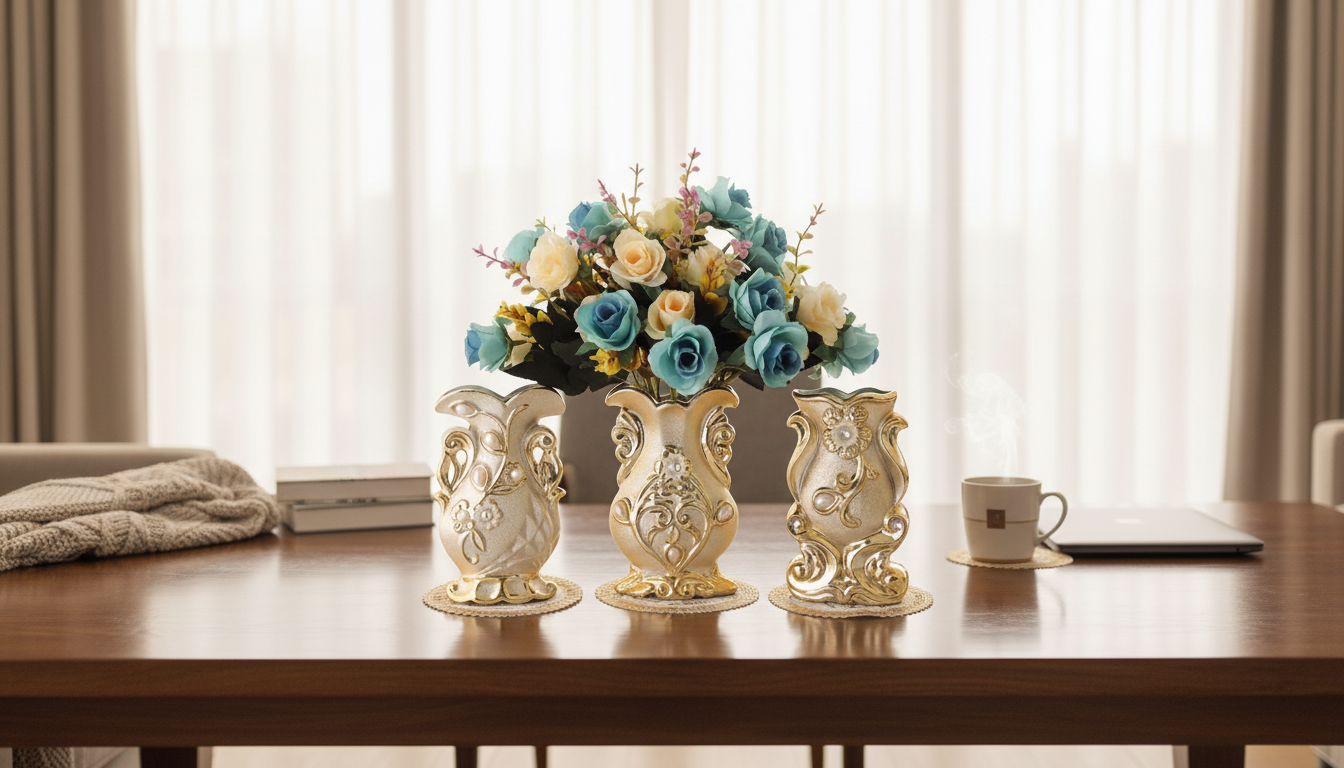
How do I know if my porcelain vase is valuable?
Porcelain vases can range from charming décor to high-value collectibles, and a few quick checks can help you tell which category yours might fall into. Value typically comes down to who made it, when it was made, how rare it is, and how well it has survived.
Start with marks and maker clues
Turn the vase over and look for a factory mark, artist signature, country of origin, or hand-painted symbols. Clear, correctly formatted marks that match known manufacturers (and match the era they claim) can raise value, while sloppy or inconsistent marks can signal a later reproduction. Also check for impressed stamps, not just painted marks—both can matter depending on the maker.
Check craftsmanship and materials
Fine porcelain often feels smoother and more refined than ceramic, with crisp edges, detailed decoration, and even glazing. Hand-painted scenes, gilding applied cleanly, and well-executed relief work can add value. Uneven paint, blurred details, or overly bright “new-looking” decoration on an “antique” form can be a red flag.
Assess condition like an appraiser
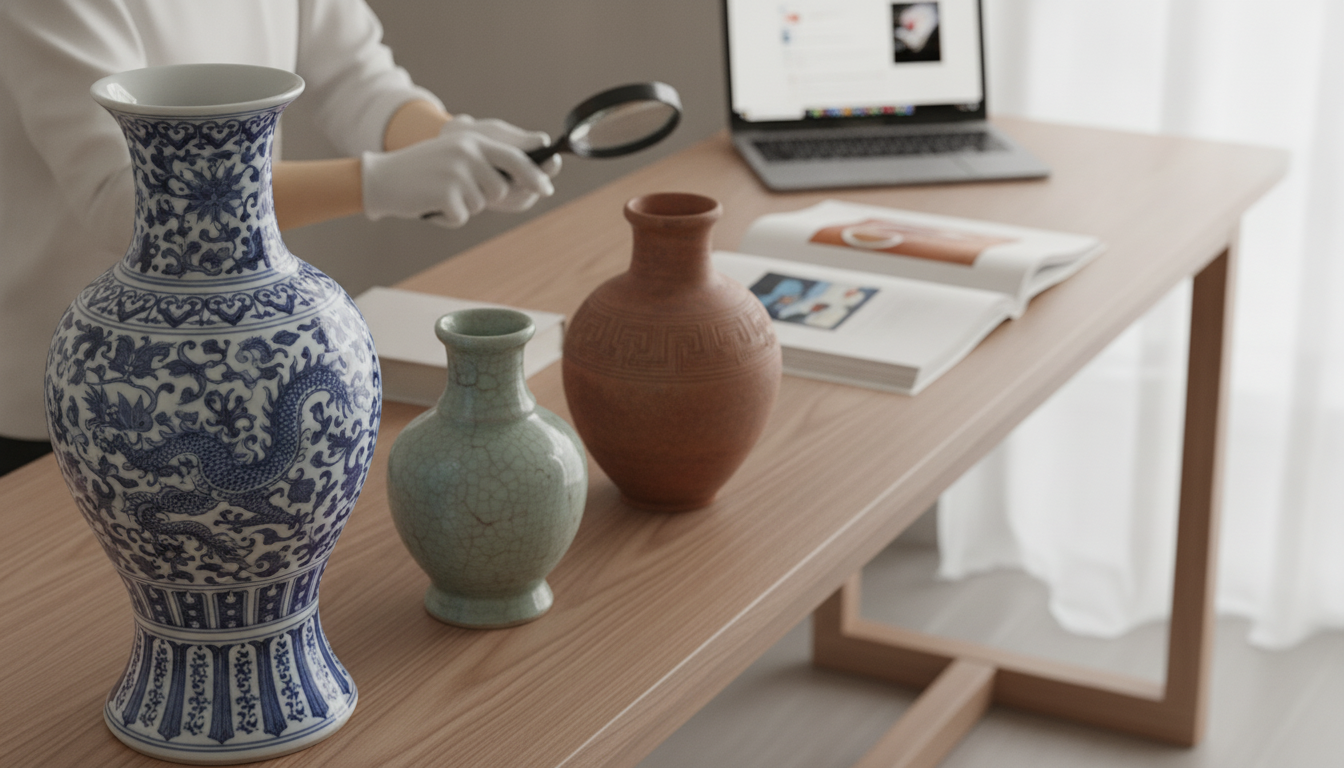
Condition is a major price driver. Look closely for hairline cracks, chips on the rim or foot, repaired breaks, and heavy wear to gold accents. Hold it under strong light to spot repairs and examine the base for staining or grinding that might indicate restoration.
Confirm age and rarity with comparable sales
True value is supported by what similar pieces actually sell for. Search for matching shapes, sizes, patterns, and marks in sold listings and auction results—not asking prices. Unusual forms, limited production patterns, and documented provenance can move a vase into a higher tier.
For a deeper walkthrough of marks, condition checks, and pricing examples, visit the complete guide on porcelain vase value.
FAQ
What should I do before getting a porcelain vase appraised?
Photograph the vase from all angles (including the base and any marks), measure height and widest point, and note any damage or repairs. Avoid cleaning with harsh products—gentle dusting is safest until a professional advises otherwise.








Leave a comment