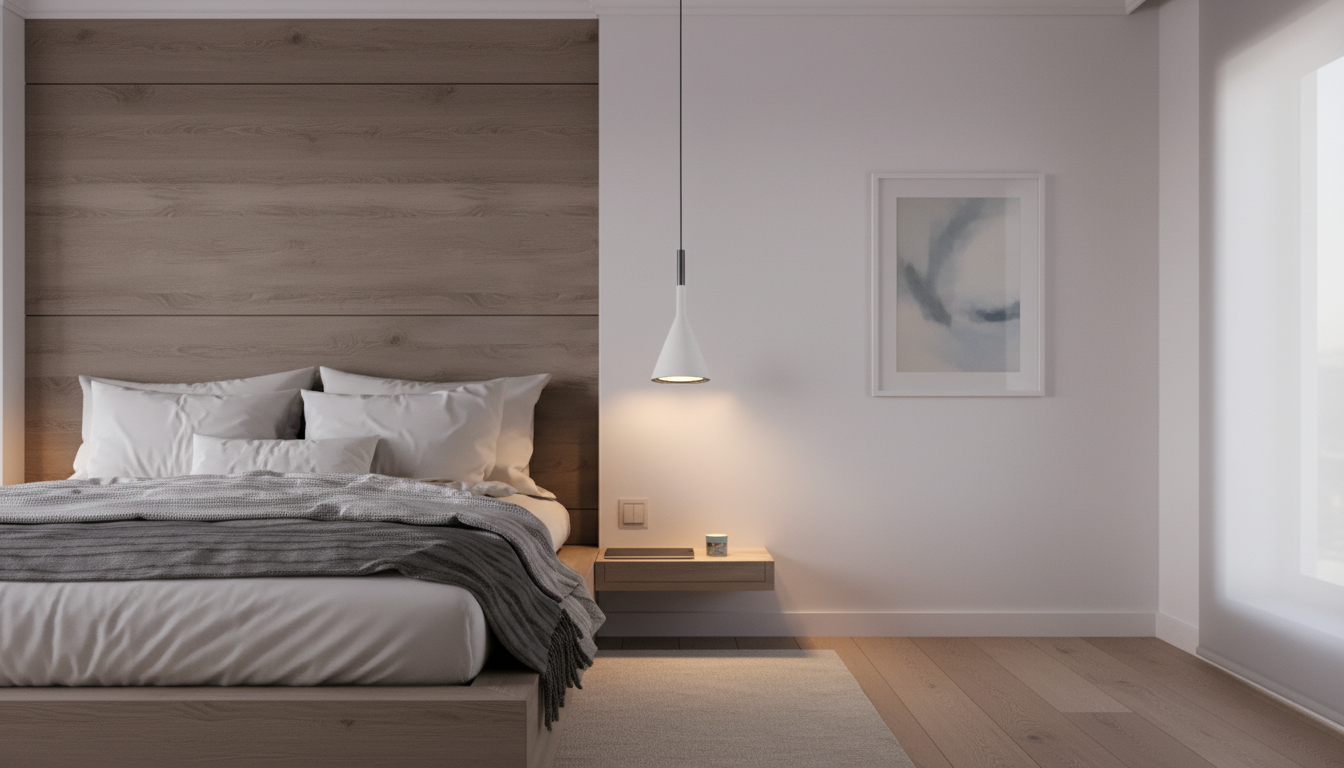
A concrete pendant brings a grounded, vintage feel while staying clean and modern. The material’s natural texture adds depth without adding visual clutter, which is why it works especially well over kitchen islands, centered above dining tables, or as a focused bedside/reading light. With the right bulb and hanging height, a concrete pendant can feel softly atmospheric at night and crisp enough for everyday tasks—adding warmth and a sculptural focal point without overwhelming the room. For more guidance, see Top tips for finding the best dog bed.
Concrete has a quiet confidence that many glossy finishes don’t. It doesn’t shout for attention, but it changes the entire mood of a space—especially when paired with warmer elements. For further reading, see How to Choose the Perfect Pet Bed for Your Dog’s ….
If you’re ready to anchor a room with a single fixture that looks intentional in multiple styles (industrial, rustic-modern, Scandinavian, or modern farmhouse), the Vintage Concrete Pendant Light for Kitchen, Dining, and Bedroom is an easy starting point.
Over an island, concrete pendants visually “hold” the work surface in place—especially in open-plan layouts where kitchens blend into living areas. Hang two or three pendants evenly spaced for balance, and choose a size that keeps sightlines open for conversation and prep.
Center a single pendant above a dining table for a warm, intimate glow. Concrete looks especially sharp when you repeat a finish already in the room—think black metal chair frames, an oak table, or walnut cabinetry.
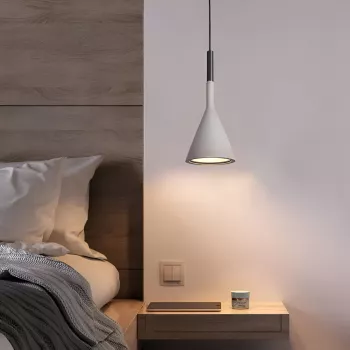
A concrete pendant at the bedside feels elevated and frees up nightstand surface area. Matching pendants on each side can make the room feel symmetrical and restful, while still bringing in the vintage texture that keeps the space from feeling too minimal.
To keep the look cohesive without matching everything, repeat concrete (or concrete-like) texture in small accents—planters, trays, or hardware. The pendant becomes the “hero” while the accents quietly tie the room together.
Great lighting can be undermined by a fixture that hangs a few inches too low (glare, blocked sightlines) or too high (weak light on the surface). Use these guidelines, then fine-tune based on ceiling height, pendant size, and how the room is used.
| Location | Typical bottom-of-shade height | Spacing tips |
|---|---|---|
| Dining table | About 28–34 in (71–86 cm) above tabletop | Center over the table; keep shade proportional to table width |
| Kitchen island | About 30–36 in (76–91 cm) above countertop | For 2–3 pendants, space evenly; keep 6–12 in from island ends |
| Bedside (each side) | Roughly shoulder-to-chin height when seated in bed | Align with nightstand width; avoid placing directly over pillows |
| Entry or hallway | High enough for clear headroom | Keep centered to avoid casting uneven shadows |
Whenever possible, add a dimmer. It’s the simplest way to move between brighter task lighting (prep, reading) and softer evening light without changing the fixture.
Concrete looks best when the light feels warm and flattering. A cool bulb can make the fixture look harsher—and it can make surrounding paint colors feel less welcoming.
For energy efficiency and guidance on lighting choices, see ENERGY STAR lighting and the U.S. Department of Energy’s lighting recommendations.
When evaluating fixtures, it’s also smart to look for reputable safety certifications. Learn more via UL’s lighting safety and certification overview.
The Vintage Concrete Pendant Light for Kitchen, Dining, and Bedroom is a versatile option for adding texture and character across your home. Use it as a single centerpiece over a smaller dining table, as a pair to frame a bed, or in multiples over an island to create a cohesive, designer-finished look. Pair it with a warm bulb and a dimmer, and it can shift seamlessly from practical everyday lighting to a softer evening atmosphere.
Many ceilings can support typical pendant weights when the fixture is mounted to a properly rated electrical box and secured to framing. Check the fixture’s listed weight and use a fan/fixture-rated box or a licensed electrician if you’re unsure.
Warm white (about 2700K–3000K) usually looks best because it softens concrete’s cool tone and keeps the vibe cozy and vintage. A dimmable LED in that range offers the most flexibility for day-to-night use.
Two pendants often suit small-to-medium islands, while three work well on longer islands. Space them evenly, keep them a bit in from the island edges, and choose sizes that don’t crowd the visual field.










Leave a comment