2026 Kitchen Pendant Light Trends: Texture, Glow & Scale
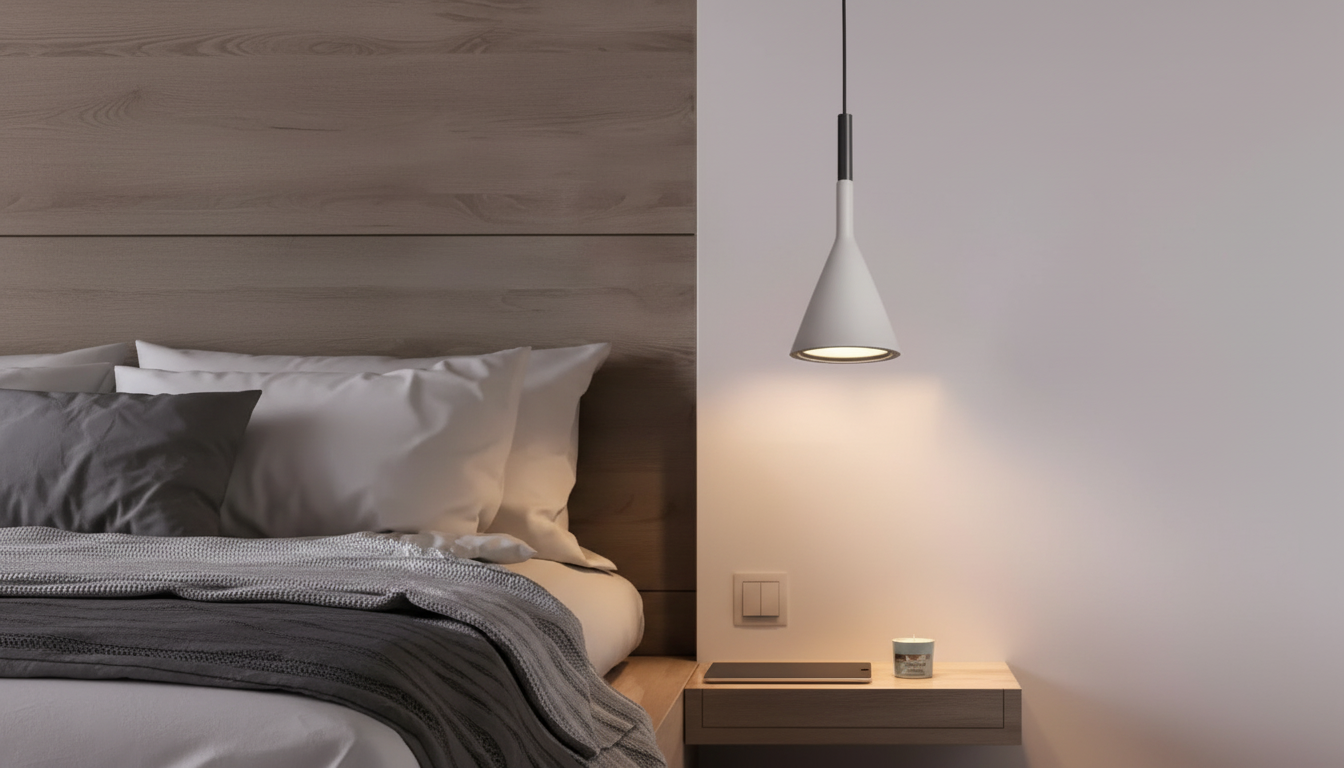
What are the kitchen pendant trends for 2026?
Kitchen pendant trends for 2026 lean into “quiet statement” lighting: fixtures that look sculptural up close, but stay calm and livable day to day. Expect more texture, softer silhouettes, and finishes that feel intentional rather than flashy—especially in open-plan kitchens where pendants share visual space with dining and living areas.
1) Warm minimalism with textured materials
Smooth, sterile looks are fading. Instead, 2026 favors pendants with tactile character—concrete, plaster, ceramic, and stone-like composites—often in warm whites, sand, or taupe. These materials add depth without needing ornate detailing.
2) Vintage-inspired forms (without the fuss)
Retro profiles are back in a refined way: cone shades, shallow domes, and subtly flared silhouettes. The trend is less “period replica” and more “timeless shape,” making it easy to pair with modern cabinetry and mixed metals.
3) Softer, diffused light—less glare on counters
Glare control is becoming a top priority. Look for opal glass, lined shades, or downlights with diffusers that keep islands bright but comfortable. Many homeowners are also choosing slightly larger shades to help spread light evenly.
4) Mixed finishes and tonal metalwork
Instead of one shiny focal point, 2026 kitchens often use metal finishes as accents—aged brass, brushed nickel, bronze, or blackened steel—chosen to complement hardware and faucets. Tonal mixing (two related finishes) feels especially current.
5) Thoughtful scale and cleaner clustering
Over-island layouts are getting more deliberate: two larger pendants, or three smaller ones with consistent spacing and identical drop heights. The goal is symmetry and breathing room, not visual clutter.
For a closer look at a material-forward style that fits these 2026 directions, explore this guide to a vintage concrete pendant light: https://rareselectionsspot.shop/guide-vintage-concrete-pendant-light-warm-style-any-room/.
FAQ
How high should kitchen pendant lights hang above an island?
A common target is 30–36 inches from the countertop to the bottom of the pendant, adjusting slightly for ceiling height and shade size to maintain clear sightlines and comfortable light.






Leave a comment